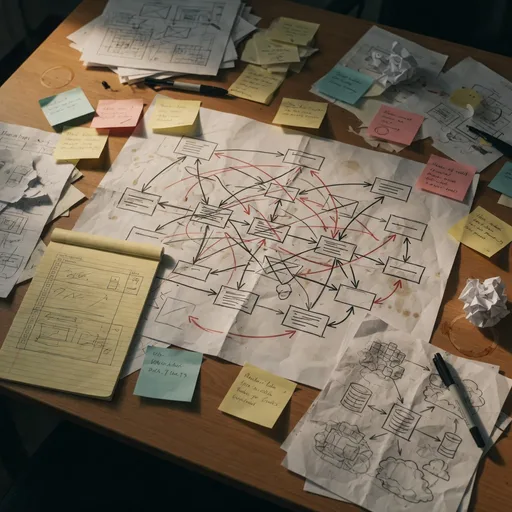

I have always thought of my brain as fixed storage: long-term memory like a hard drive, short-term memory like RAM, both finite. That is why context switching hurts. It is not just that you stopped one thing and started another, it is that you had a whole working set loaded in your head and something flushed it. We talk about AI context windows now, but people have them too: limited working space, long-term storage with strange indexing, facts we keep, facts we ignore, and a childhood TV theme song that apparently holds a lifetime lease.

AI8 articles
AI does not make you better by itself. It makes you faster, which means it amplifies whatever is already there: good engineers get leverage and bad habits get velocity. The first draft was never the expensive part, because knowing whether it is right, fits the system, and can be owned in production is the real work. AI rewards clear thinking and exposes vague requirements, and it never transfers accountability. The model did not merge the pull request. You did.
There is a comfortable story going around: AI writes garbage, invents things, and produces slop. It is convenient because it lets us blame the new tool instead of the old system. But most AI slop is human slop with a faster feedback loop. The instructions were thin, the standards were tribal, and the architecture lived in one senior engineer's head. AI just stopped letting us pretend the process was ever clean. Write the standards down and the AI gets better. So do the humans.
The easiest mistake in engineering is assuming the person before you should have known better. A strange workaround, an awkward abstraction, a manual deploy step: sometimes the work really is careless, but a lot of the time it is context you do not have. Before criticizing a design, walk a mile in the author's context, then fix what is still broken.
Every serious conversation about AI agents is really a conversation about trust, and trust is not believing the agent will get it right. It is knowing what happens when it gets something wrong. Undo is not a button, it is an operational discipline: design, validation, controlled execution, reversal, compensation, and learning. The more we let agents act instead of advise, the more that discipline has to exist before we hand them the keys.
Context switching is real, but it is not the disease. The cost of interruption is a symptom of a deeper problem: we build software delivery around fragile human memory, where the engineer is the only place the working model of the system actually lives. AI raises the stakes by quietly turning individual contributors into orchestrators of small AI teams, which means even more context to carry. The fix is not heroic focus, it is durable context that lives in the system instead of in one person's head.
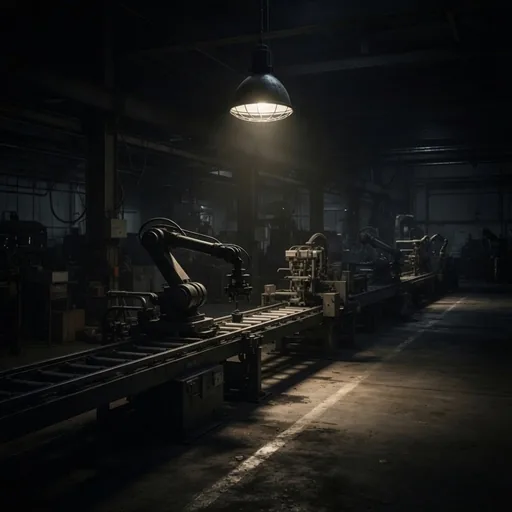
A dark factory runs with the lights off because the machines do not need people on the floor. Applied to software, a fully autonomous delivery system is not practical for most teams, but it is a useful forcing function: pretend the system had to run without constant human intervention, and ask where it would break first. Wherever it breaks is where your delivery still depends on undocumented judgment, unclear ownership, weak tests, fragile deployments, and rollback plans nobody has practiced.
AI made execution dramatically faster, but most teams are not bottlenecked on execution. They are bottlenecked on planning and validation, and AI does little for either by default. Speeding up the middle of the delivery system just backs the work up at review, testing, and deployment. The fix is to improve the whole loop, from intent to plan to change to safe production, not only the part that writes the code.